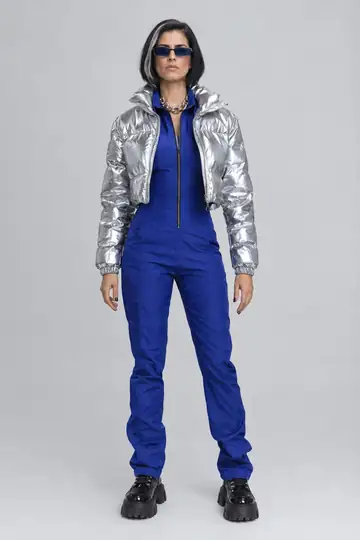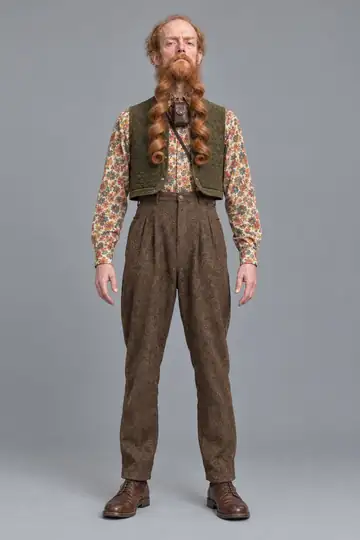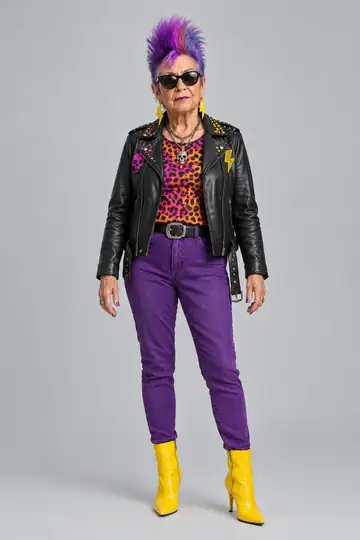
Virtual influencer vs AI influencer: the difference in one table
4 min read
A virtual influencer is any computer-made figure that acts as a content creator. An AI influencer is a virtual influencer whose images and videos are generated by artificial intelligence models, the wave of 2025 and 2026. Every AI influencer is virtual, but not every virtual influencer uses AI: the older ones were built in 3D by studios. The table below sets the two side by side.
Is there an official line between them?
No. The words overlap and nobody has set a standard. Brazil's advertising self-regulator CONAR, in its May 2026 guide for digital influencers, describes a virtual influencer as a fictional computer-generated "person", or an avatar, with realistic human traits (CONAR). By that definition both a 3D figure and a generated one fit.
This article uses "virtual" for figures built in 3D and "AI" for figures generated by models. The split is ours. It helps because the two groups differ in who makes them and what they cost.
The difference in one table
Every number belongs to whoever published it and holds for the date given. Where a cell says "no sourced figure", none of the sources we read gives the number.
| Virtual (3D) | AI (generated) | |
|---|---|---|
| What it is | A 3D model that artists build and animate. | Images and video generated by AI models from a text description or a reference video. |
| Who makes it | Studios and brands. Lil Miquela is Brud's (Wikipedia). Lu is a CGI character of Magazine Luiza (Virtual Humans, December 2022, Kolsquare). | One person or a small team. Granny Spills came from two people at Blur Studios (TIME). Big Yowie came from a software engineer (Kapwing). Dona Maria has a single creator (BBC News Brasil). |
| Made with | 3D modeling and animation. | AI image and video models. The cases cited use Google Veo (TIME, Kapwing) and Gemini with Flow (BBC News Brasil). |
| Time per video | No sourced figure. | 5 to 10 minutes, say Granny Spills' creators in November 2025 (TIME). |
| Cost per video | No sourced figure. | About 20 Brazilian reais, says Dona Maria's creator in April 2026 (BBC News Brasil). $50 to $150 for a short Big Yowie video, per Kapwing in July 2025 (Kapwing). |
| Known cases | Lil Miquela, first post on April 23, 2016 (Wikipedia). Shudu, created in April 2017 (Wikipedia). Lu do Magalu, 8.8 million Instagram followers in August 2026 (Kolsquare). | Marisa Maiô, who debuted on June 3, 2025 (Canaltech). Granny Spills, created in July 2025 (TIME). Jean Phil, from September 2026, whom the press treats as AI-made (creator unidentified, no tool confirmed), with a clip that reached 35.9 million views on September 30, 2026 (LADbible). |
| Brands involved | Lil Miquela did a Prada project in February 2018, a Calvin Klein ad with Bella Hadid and work for Samsung (Wikipedia). | Magalu and OLX, with Marisa Maiô, in June 2025 (Meio & Mensagem). Kurt Geiger and Papi Steak, with Granny Spills (Kolsquare). |
More profiles on each side are in what is an AI influencer.
What does the difference change in practice?
The biggest change is who can make one. The 3D cases the sources describe belong to studios and brands. Among the AI cases are a software engineer and the single creator of Dona Maria, neither of them a studio. The pace changed too: Granny Spills' creators talk about 5 to 10 minutes a video.
3D is still the route of big brands. Lu is Magalu's own figure, and Lil Miquela did campaigns for well-known labels. A company that wants a figure of its own can also take the AI route, described in an AI influencer for your brand.
Do both need an AI label?
Advertising rules apply to both. The CONAR guide treats sponsored content from people, virtual personas, avatars and other characters, including computer-generated ones, as influencer advertising, and says it applies whatever technology produced the content (CONAR, May 2026).
A platform's AI label depends on whether the content looks real. YouTube asks for disclosure of photorealistic content that AI generates or meaningfully alters, and does not require it for animated or non-realistic content (YouTube). A clearly animated 3D figure may fall outside that rule. An AI profile that looks like a photographed person falls inside it. How to label on each network is in AI labels on Instagram, TikTok and YouTube. Check each platform's rule before you post.
Which one can you make yourself?
The AI route is the one that fits one person. On Duble AI you pick a trend and an influencer, and the video comes out with your influencer in place of whoever is in it, in the original's scene (which may change a little) and with the original sound. In the app, the influencer is called a double.
Creating the influencer costs nothing, up to 3 images across tries and adjustments. A 10-second trend video comes to $3.33 and up. The whole road is in how to create an AI influencer, and to start now you can create your influencer.
Frequently asked questions
- What is a virtual influencer?
- A virtual influencer is a computer-made figure with a social media profile that acts like a content creator. It can be built by a studio or a brand, as with Lil Miquela and Lu do Magalu, or generated by AI. A real person, team or brand runs the profile and decides what it posts.
- Does virtual influencer mean AI?
- Not always. Virtual influencer is the wider term and includes figures built in 3D by studios. AI influencer usually means a profile whose images and videos are generated by AI models, the wave of 2025 and 2026. Every AI influencer is virtual, but not every virtual one uses AI.
- Are virtual influencers real people?
- No. Their faces and bodies are made on a computer, in 3D or by AI, so nobody was photographed. A real person, team or brand runs each profile. Some accounts only say they are virtual in the bio, so check there if you are not sure.
- How are virtual influencers made?
- Older ones such as Lil Miquela were built by studios as 3D models. Newer AI influencers are generated with image and video models from a description or a reference video, often by one person. On Duble AI you pick a trend and an influencer, and the video is made for you.
- Do I have to label a virtual influencer as AI?
- If the content looks real and was generated by AI, platforms ask for a label. Paid posts must be marked as ads either way, and Brazil's CONAR guide covers virtual personas too. Rules differ by platform and country, so read each help page before posting.